

Evidence-based research and consulting solutions for NGOs, governments, and private sector in Ethiopia and beyond
Grand Consulting PLC
How Can We Help You?
From strategy development to performance improvement, we support organizations in achieving sustainable growth and impact.
Research Support & Consulting
We provide end-to-end research assistance—from proposal development and study design to data analysis and report writing—ensuring your work meets the highest standards.
Training & Capacity Building
We deliver practical, hands-on trainings that build essential skills in research methods, data analysis, monitoring and evaluation, and academic writing for professionals, students, and organizations.
Monitoring, evaluation and learning
We design and implement rigorous MEL frameworks to track results, generate learning, and inform evidence-based decision-making across projects and programs.
Quality Mesurement and Improvement
We apply robust measurement tools and technologies—from survey design to real-time dashboards—to monitor quality, identify gaps, and support continuous improvement.
Data Analysis & Insights
We transform raw data into clear, actionable insights using modern analytical tools, enabling you to make informed, evidence-based decisions.

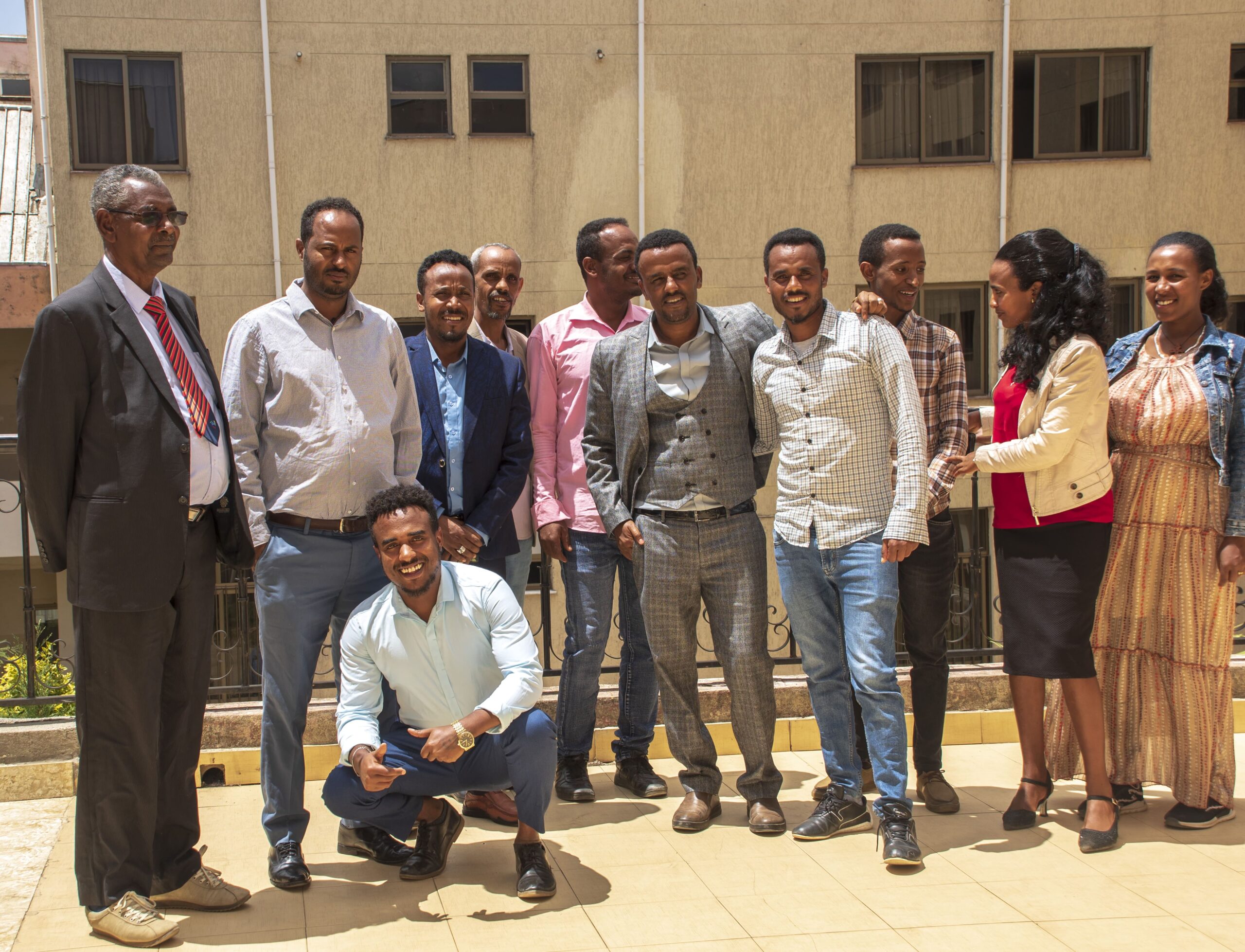
Why Choose Us?
Expert Research Guidance
Our team delivers deep expertise in research design, data analysis, and strategic recommendations, helping clients solve complex problems efficiently. With years of experience across industries, we stay ahead of trends to provide evidence-based solutions that drive real impact.
Objective Perspectives
We offer unbiased analysis to uncover blind spots and refine your research strategies, ensuring decisions are data-driven rather than assumption-based. This fresh viewpoint accelerates progress and minimizes risks in your projects.
Proven Results
We have a history of helping different clients achieve success, such as creating and supporting policies, which leads to clear benefits like better data understanding and useful results. Our track record includes high client satisfaction and tangible business growth.
Tailored Cost-Effective Solutions
We provide flexible, customized services—from data collection to final recommendations—without the overhead of in-house teams. This approach saves time and resources while maximizing value for academics, businesses, and organizations.
Do you have any questions?
You are welcome to contact us anytime.
Meet Our Chief Executive
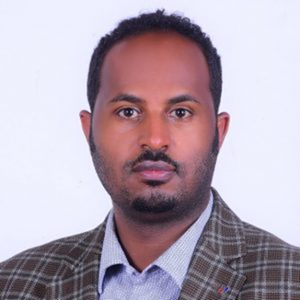
Achenef Asmamaw (PhD)
General Manager and Founder
Email: ashua2014@gmail.com
Phone: +251918714413
Daily News Updates
-

Prevalence and associated factors of psychological impact of COVID -19 pandemic among college and university students in Ethiopia.
|
Introduction The novel Severe Acute Respiratory Syndrome Coronavirus 2 (SARS-CoV-2), also called COVID-19 arose in…
-

EMPLOYEE SILENCE.
|
WHAT IS THE ISSUE THAT EMPLOYEES DO NOT COMMUNICATE UPWARD AND WHY? The first critical…
Collaborators








About us
Services
Contact
Feel free to contact & reach us !!